
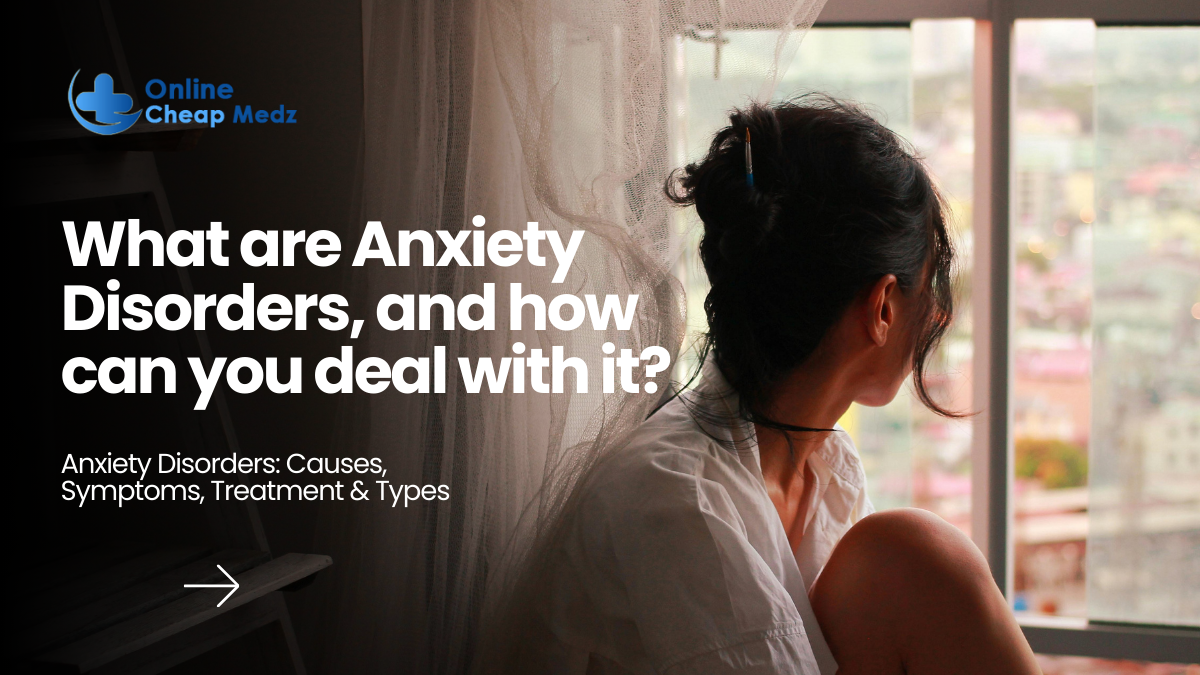
We all feel worried or nervous sometimes. Maybe before an exam, an interview, or a big decision. This is normal and usually goes away once the situation is over. But for some people, the fear and worry do not stop. They may feel nervous most of the time, even when there is no clear reason. When this happens, it could be a sign of an anxiety disorder.
Anxiety disorders are very common, and millions of people around the world live with them. The good news is that they can be treated, and there are many ways to cope. In this blog, we’ll explain what anxiety disorders are, the different types, their symptoms, causes, and simple ways to manage them.
What Are Anxiety Disorders?
Anxiety disorders are mental health conditions where worry, fear, or nervousness becomes too strong and lasts too long. Unlike normal anxiety, which comes and goes, anxiety disorders make daily life hard.
For example, someone may feel scared to leave their house, afraid to speak in public, or worried all the time about things that may never happen. Anxiety disorders can affect school, work, relationships, and overall happiness.
Types of Anxiety Disorders
There are several kinds of anxiety disorders. Here are the most common ones:
- Generalized Anxiety Disorder (GAD)
People with GAD worry all the time about many things—money, health, family, or work. They may feel tense, tired, or unable to focus.
- Panic Disorder
This causes sudden attacks of fear, called panic attacks. Symptoms include a fast heartbeat, sweating, shaking, chest pain, or feeling like you can’t breathe. Panic attacks can happen anytime, even without warning.
- Social Anxiety Disorder (Social Phobia)
This is the fear of being judged or embarrassed in social situations. Someone may avoid speaking in public, eating in front of others, or meeting new people.
- Phobias
These are strong fears of specific things, such as spiders, heights, or flying. Even thinking about the object or situation can cause anxiety.
- Obsessive-Compulsive Disorder (OCD)
People with OCD have unwanted thoughts (obsessions) and feel the need to do repeated actions (compulsions). For example, washing hands many times because of fear of germs.
- Post-Traumatic Stress Disorder (PTSD)
PTSD happens after a scary or painful event, such as an accident, abuse, or natural disaster. People may have nightmares, flashbacks, or feel “on edge” all the time.
- Separation Anxiety Disorder
This is a strong fear of being away from loved ones. It is more common in children but can also affect adults.
Common Symptoms of Anxiety
While each type of anxiety disorder is different, many symptoms are similar, such as:
- Constant worry or fear
- Feeling restless or on edge
- Trouble concentrating
- Problems sleeping
- Irritability (getting upset easily)
- Fast heartbeat or shortness of breath
- Sweating, trembling, or stomach problems
- Avoiding situations that cause fear
If these symptoms last for months and affect daily life, it may be an anxiety disorder.
What Causes Anxiety Disorders?
There is no single reason why someone develops an anxiety disorder. Usually, it’s a mix of things, such as:
- Family history – Anxiety can run in families.
- Brain chemicals – Imbalance in chemicals like serotonin may cause anxiety.
- Personality – People who are shy or very self-critical may be more likely to develop anxiety.
- Stress or trauma – Bad life experiences, such as accidents or abuse, can lead to anxiety.
- Health problems – Illnesses like heart disease or thyroid issues can cause anxiety symptoms.
- Substance use – Too much caffeine, alcohol, or drugs can make anxiety worse.
How to Deal With Anxiety Disorders
The good news is that anxiety disorders can be treated. With the right care, people can feel better and live normal lives. Here are some ways to manage anxiety:
- Therapy
Talking to a mental health professional is one of the best treatments.
- Cognitive Behavioral Therapy (CBT): Helps people change negative thoughts into positive ones.
- Exposure Therapy: Slowly facing fears safely until they feel less scary.
- Group Therapy: Sharing experiences with others who have anxiety.
- Medication
Doctors may prescribe:
- Antidepressants (SSRIs, SNRIs): For long-term treatment.
- Benzodiazepines: For short-term relief, but these can be addictive if used too long.
- Beta-blockers: To control a fast heartbeat and shaking.
👉 If you want to know more about safe and affordable anxiety medications, you can check Online Cheap Medz. It is also a trusted place where you can Buy Medicine Online at affordable prices.
- Lifestyle Changes
Small daily habits can help reduce anxiety:
- Exercise regularly – Walking, running, or yoga can calm the mind.
- Eat healthy – Limit caffeine, alcohol, and junk food.
- Get enough sleep – Aim for 7–9 hours each night.
- Practice relaxation – Try meditation, deep breathing, or mindfulness.
- Support System
Talking with friends, family, or joining support groups helps reduce loneliness. Sharing your feelings makes them lighter.
- Self-Care
- Write in a journal to release worries.
- Set boundaries to avoid stress overload.
- Do hobbies that make you happy, like reading, painting, or gardening.
Everyday Coping Tips
Even if you don’t have a diagnosed anxiety disorder, you may still feel anxious sometimes. These simple strategies can help:
- Breathing exercise: Inhale for 4 seconds, hold for 4, exhale for 4.
- Grounding exercise: Notice 5 things you see, 4 you touch, 3 you hear, 2 you smell, 1 you taste.
- Positive self-talk: Replace “I can’t do this” with “I will try my best.”
- Break big tasks into small steps: This makes things less overwhelming.
- Limit screen time and news: Too much negative news can increase anxiety.
Breaking the Stigma
Sadly, many people feel ashamed to talk about anxiety. They may think it’s a sign of weakness. But anxiety disorders are medical conditions, just like diabetes or asthma. Needing help does not mean you are weak—it means you are human.
The more we talk openly about mental health, the more people will feel safe asking for help. Support from schools, workplaces, and communities can make a big difference.
Final Thoughts
Anxiety disorders can feel heavy, but they are not permanent. With therapy, medication, self-care, and support, anyone can learn to manage anxiety and live a full life.
If you or someone you know is struggling, remember you are not alone, and help is available. Reaching out to a professional or trusted person is the first step to healing.
And if you are looking for affordable options for mental health and anxiety treatment, you can Buy Medicine Online easily through Online Cheap Medz.

Products Categories
-
 Buy Adderall Online
 -
 Buy Adipex Online
 -
 Buy Alprazolam Online
 -
 Buy Ambien Online
 -
 Buy Ativan Online
 -
 Buy Clonazepam Online
 -
 Buy Codeine Online
 -
 Buy Diazepam Online
 -
 Buy Hydrocodone Online
 -
 Buy Lorazepam Online
 -
 Buy Lorcet Online
 -
 Buy Lortab Online
 -
 Buy Oxycodone Online
 -
 Buy Oxycontin Online
 -
 Buy Percocet Online
 -
 Buy Phentermine Online
 -
 Buy Soma Online
 -
 Buy Tramadol Online
 -
 Buy Valium Online
 -
 Buy Vicodin Online
 -
 Buy Xanax Online
Leave a Reply